
Resident Prune: Aisha Kuryana
ON MOVEMENT, NATURE & RECIPROCITY.
At Sense Of Self, we deeply value cultivating conversations between creativity, culture and community. Aisha Kuryana has had a 30-year long love affair with movement as a choreographer, dancer and teacher (GROOV3) — and remains deeply curious about exploring the connection between the body and the self.
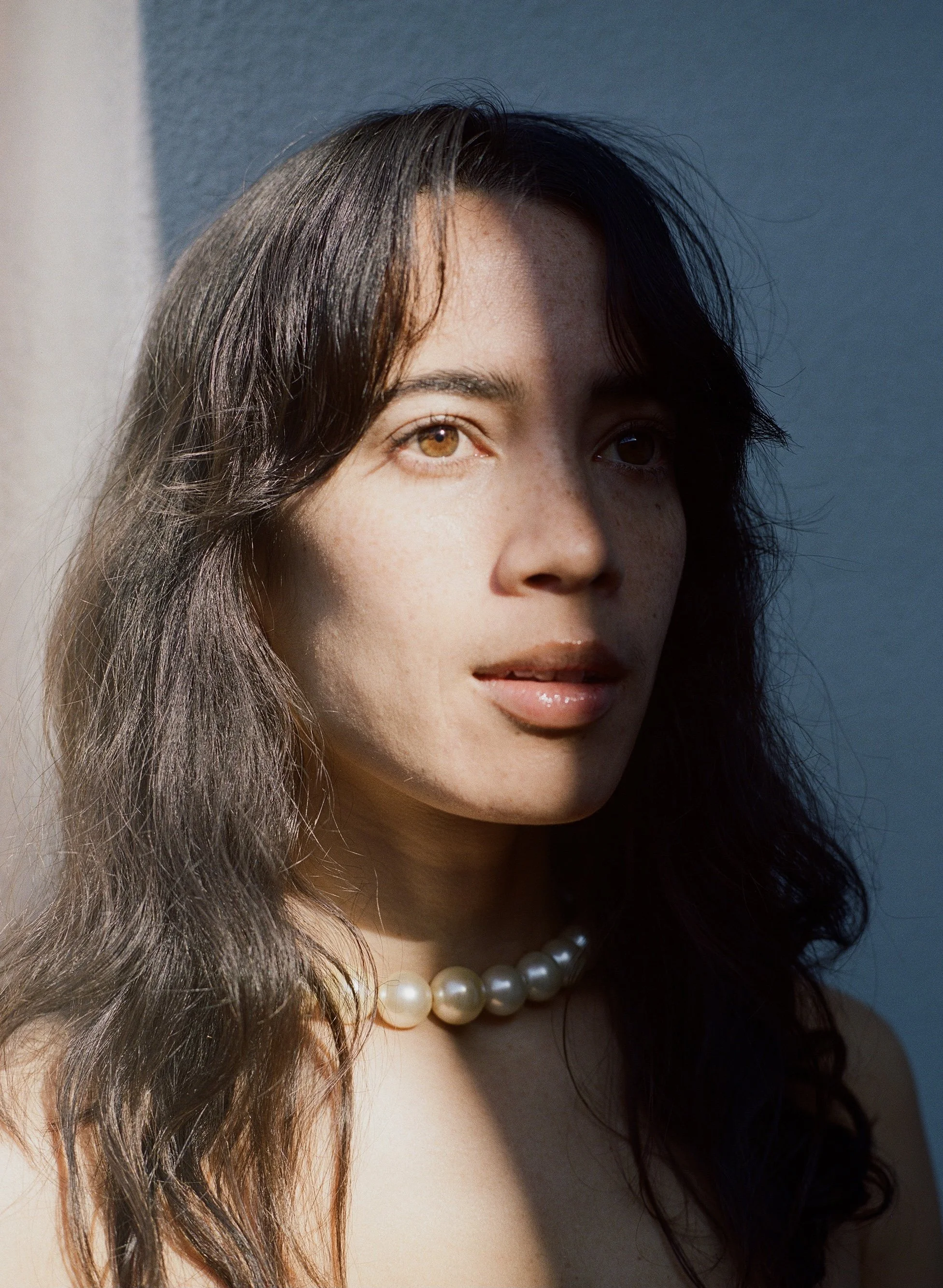
Q. Hi Aisha, tell us a bit about you and your creativity. How does that manifest through dance?
I've danced for thirty years now, which started when I was seven with jazz and ballet. I was a really shy kid and dancing was the thing that gave me confidence - it still does. When I was thirteen, I started hip-hop classes and I fell in love immediately. It was a very special time for street dance in the early 2000s—the creativity, the fashion, the culture—it was just very inspiring.
I have a lineage of dance in my family—my dad is Indonesian and his mother was a dancer. She taught back in the ‘50s in Jakarta, social dances for the president’s wife. Dancing is a very important part of Indonesia's history, that's how we tell stories. When I was growing up, I learned Sunda, which is the name of the tribe that I'm from.
For me, creativity is the art of making something and sharing it with others. I really like the idea of reciprocity and have always been drawn to dance, but my biggest inspiration has always been music—that's what inspires me to move.
Q. How does movement contribute to your understanding of yourself?
Dancing is really powerful because it has this ability to crack you open in a way that words can’t. It helps me to connect back to myself and to the present moment, to process feelings. You feel resistant to it, but then being vulnerable enough to challenge yourself to move through those feelings, you always feel better or a sense of release on the other side.
What I've noticed through teaching recently is how alive people can become and how immediate the connection can be to others. Dancing in synchronicity really helps for people to connect and develop friendships much quicker.
I think a lot of people come to our classes because of the music. It's an exchange of energy and it just ripples out into the room. Every week I'm helping people to explore different songs that they might not hear and maybe connect to them in a way that they hadn’t before. I think Groov3 is a bit of an ode to my teen years.
Q. A dancer’s life is hard on the physical body. What have you found to be beneficial in terms of rest and healing?
Physically, my biggest shift has been towards longevity. I'm not trying to throw my neck out at a party now, I'm just a lot more intentional when I dance. I have a stricter practice of conditioning my body and making sure that I try to avoid injuries—you only have a finite amount of energy and you have to use it wisely.
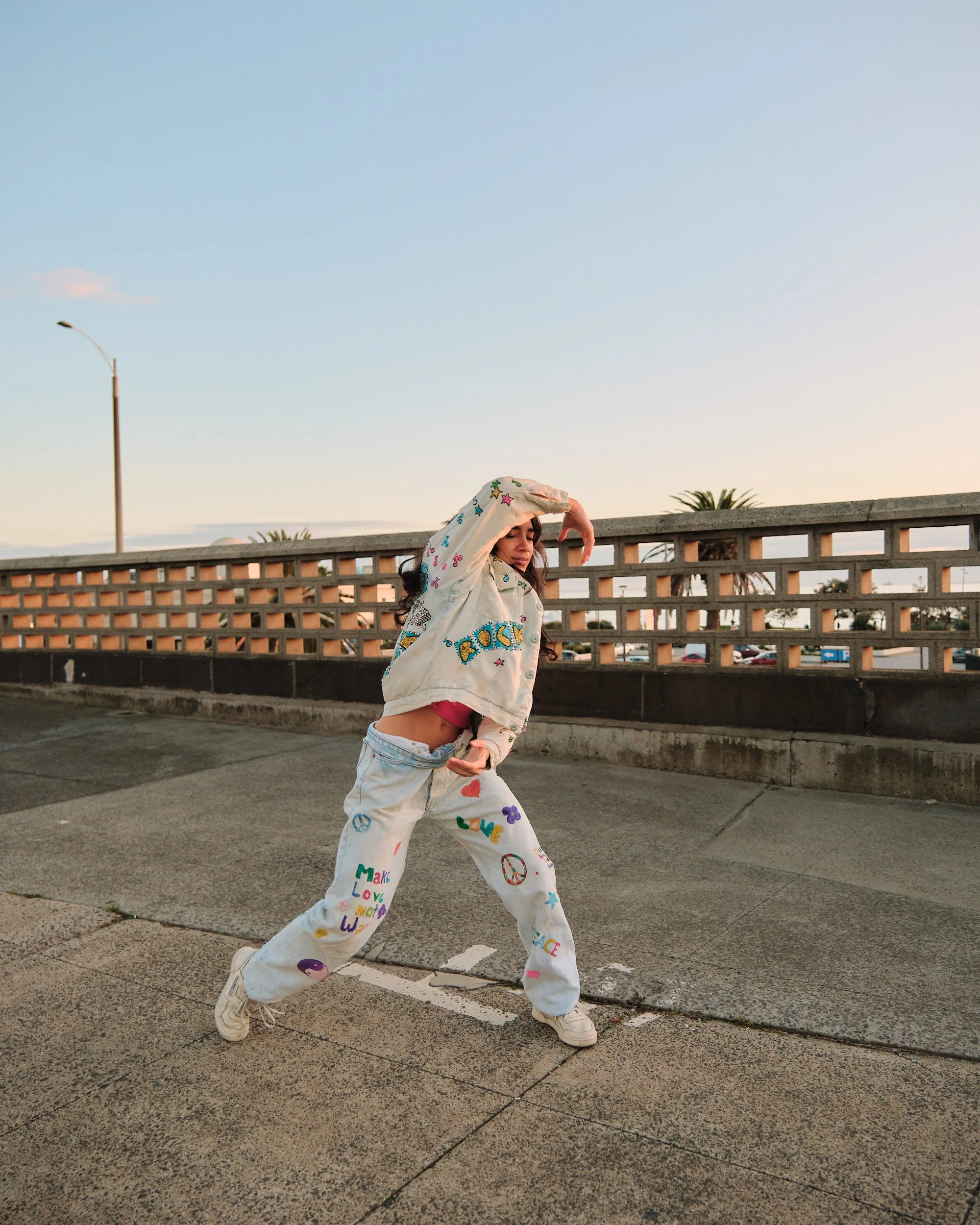
Image by Gina Nero
Letting go of perfectionism has also shifted the way I treat my body. I rest when I’m tired now instead of pushing through. Giving myself permission to be imperfect in class has been healing and there’s a real sense of freedom that comes from being gentler, and it’s something I carry beyond the studio too.
Q. What is your relationship to bathing? Are there certain rituals you practice?
I love bathing. I have a bath pretty much every night. I have really hot magnesium baths, which is great for my muscles. I'm a water sign, a Cancer, so I feel a deep connection to water. I also grew up in Aotearoa, and I feel like I was surrounded by water and had so much access to rivers and lakes and forests, there was an abundance of water in my childhood.
Sometimes I find it difficult to calm down after I've taught a dance class and I'm quite overstimulated. So I like to use the bath as an exercise in making my nervous system calm down. Otherwise I can't sleep. I love finding the local spa when I’m travelling and New Zealand's especially amazing, because it has so many natural hot springs. There’s this place called Hakereteke Stream, a river that runs through just outside of Rotorua that you can sit in and it’s hot. It’s beautiful. I love how calm I feel after I bathe and how grounded and still.
Q. Was there a moment that challenged you to expand from pursuing something as an individual to teaching and leading?
I think in my teens and my early 20s, I was really focused on being the best dancer. I was doing it for me, basically. Through becoming a teacher, I've learned that there's so much more to dance and the community which has been such a special evolution for me.
The turning point was a trip to Los Angeles where I visited a studio called the Sweat Spot in Silver Lake. It had a really diverse offering of classes and catered to lots of skill sets, which is rare. Usually it's a professional dance studio and the training is really intense and focuses on technique and performance, but this was just an open, carefree space that was welcoming of everyone.
I felt like we needed that in Melbourne. So I did the training for Groov3 which is a choreography-style class that is inspired by a mix of hip hop, foundation grooves and jazz funk. And I came back with a strong conviction that this is what was needed. Something that will help you learn how to dance, but doesn't take itself seriously. There will always be that vulnerability of being a student in a dance class and so having those spaces where people can feel welcome is so necessary.
Q. How do you continue to push your own experimentation and artistry as a teacher?
Finding that balance has been really tricky for me because I have dedicated so much of my time to teaching, but I've done that because it's been so transformative, not only for myself, but the friendships that I've made and seeing the community grow, It’s a very rewarding experience.
One way that I do it is by training at home, reminding myself that I still have so much to learn. Aside from choreographing dances, I love going to gigs and feeling super inspired by live music or just being in nature.
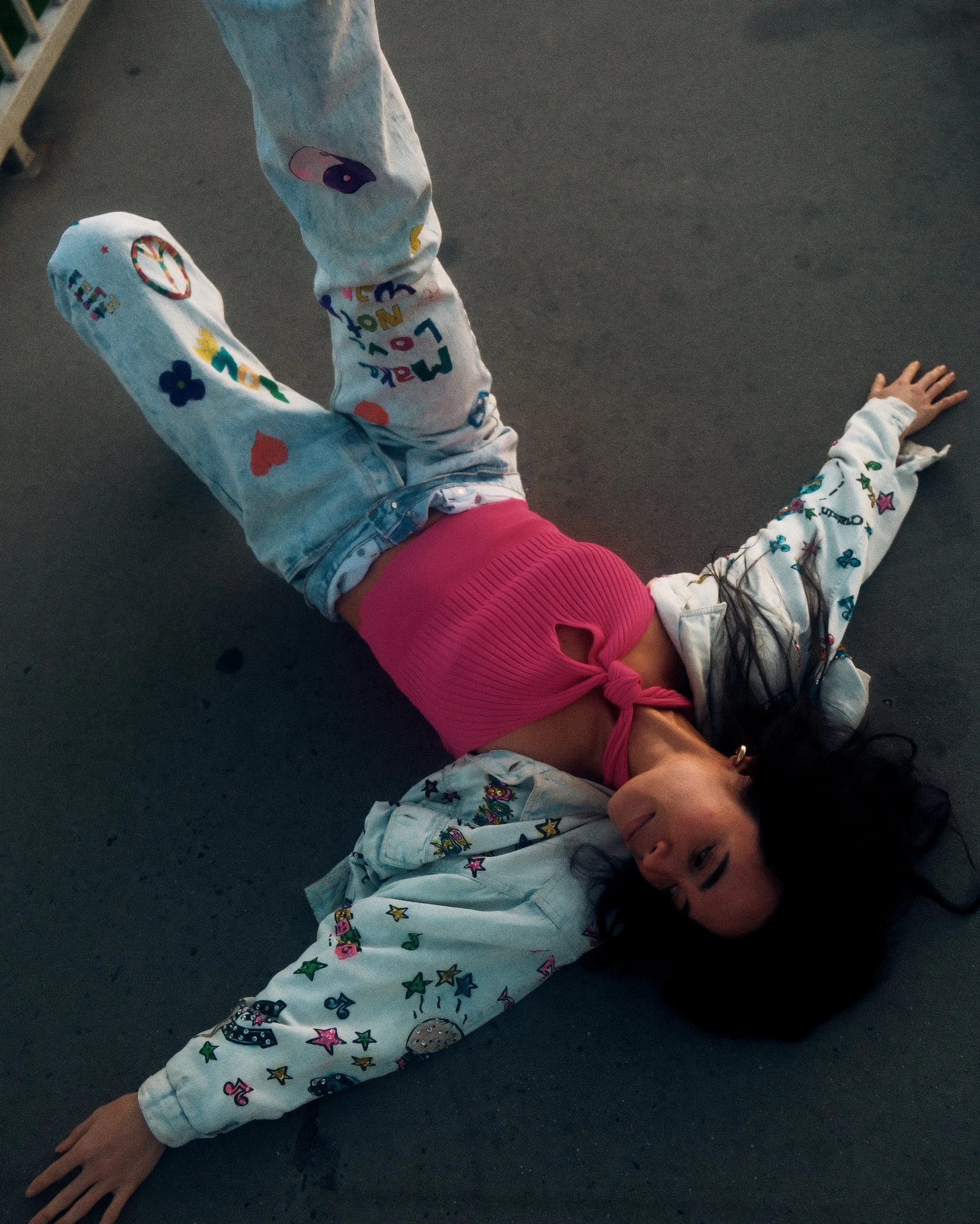
Q. What do you think dance has the power to do that people might not expect?
Dance is an amazing meditative practice. It requires an intense amount of presence, and, especially in the modern age, we are chronically lacking in presence. Also it's completely analogue, it has nothing to do with technology. You don't even really need music. You need to create a beat and then move.
The effect can be quite profound, even in just one class. People are just like, whoa, I didn't even know I was capable of that. We don't know how disconnected we are until you have that experience, that's why it's so important.
Q. How do you build togetherness and connection?
I really believe curiosity is the doorway to connection. When you’re genuinely interested in people, especially those who are different from you, it's the way into people's hearts and your own.
My desire is to make dance a playful, non-serious place, particularly for people who stopped dancing when they were younger because their bodies changed or they didn’t feel they fit into competitive spaces. As adults, we get to reclaim that joy to move, imagine, and even pretend we’re Beyoncé’s backup dancers, without the high stakes.
That same spirit extends into the dance camps I’ve hosted over the past few years. Weeks of pure escapism filled with dancing, swimming on tropical islands and building toward a low-key recital at the end. It’s some of the most fun I’ve had as an adult and ensures I stay open and adaptable to whatever life throws at me.
Q. What's been the hardest part of your creative journey and how have you navigated it?
Trying to unlearn narratives. I was told constantly as a child that you would likely have to retire by the age of thirty, that there's an expiry date on your body and your dancing. It instilled such a fear in my creative pursuits but the most important thing I’ve taken from that time is my sense of belief in myself. I've also learned more now about taking time and caring for my body, so it feels more achievable to continue doing this physical career.
In the past I might have thought, oh, dancing is such a frivolous activity. If I’m going through something difficult, I might just drop dance from the schedule altogether. But it feels so essential to me now.
In terms of the state of the world, I just think that what I'm doing now has never felt so necessary. I read this really nice quote before I came here, and it said, ‘These are not easy times to live in, but these are amazing times to be of service’. It’s nice to know that I can be of service to my community, when I feel like they really need it.
Past Conversations
Resident Prune: Noah daCosta
In Creative Conversation with James Whiting
In Creative Conversation with Allee Richards
In Creative Conversation with Maria Angelico
In Creative Conversation with Katherine Brabon